
Author: Insurance Advisory Team, Insurance Samadhan
Expertise: Insurance grievance redressal, mis-selling resolution, policyholder rights (India)
When taking a home loan, personal loan, or business loan, many borrowers are told that insurance is “mandatory”. In reality, lenders often link a loan insurance policy to the loan and add a single premium insurance amount directly to the loan. This means the insurance premium is financed along with the loan, increasing the total repayment burden.

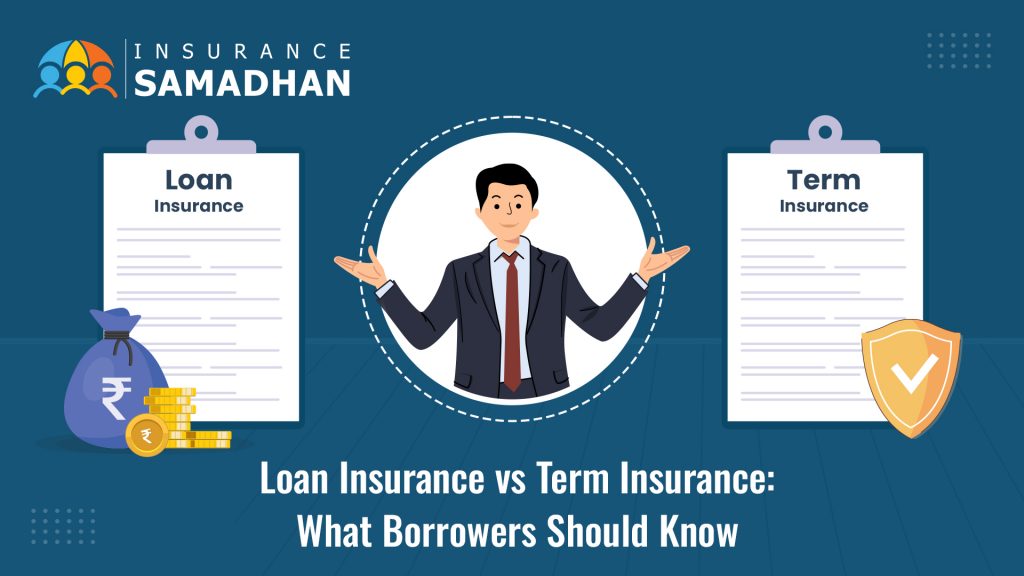
Insurance protection is important. However, the way lenders structure and sell loan-linked insurance significantly affects premium costs, ownership, flexibility, and long-term financial security. During loan repayment, even a small additional premium can translate into a large interest outgo over time.
At Insurance Samadhan, a leading insurance grievance redressal platform in India, we regularly receive complaints from borrowers who unknowingly paid for expensive covers they neither needed nor fully understood. This blog explains how loan insurance differs from a term insurance policy, what borrowers should watch out for, and how to protect themselves from mis-selling.
Let’s start by understanding how loan-linked insurance is typically sold.
Single Premium vs Regular Premium: Which Is Better?
Before comparing options, it is important to understand how lenders structure insurance with loans.
Lenders frequently promote single premium insurance because it is easy to bundle with a loan. The premium is paid upfront as a lump sum and added to the loan amount. While this may appear hassle-free, it often increases the borrower’s financial burden.
Why single premium insurance can be risky
At first glance, single premium insurance looks convenient. The risk becomes visible only over time.
When a single premium insurance policy is linked to a loan, the borrower does not just pay the premium. They also pay interest on that premium throughout the loan tenure. This is particularly costly for long-term loans.
Example:
If you take a ₹50 lakh home loan and the lender adds a ₹1 lakh insurance premium, your effective loan becomes ₹51 lakh. You will repay this amount along with interest, increasing the total premiums paid indirectly.
In addition, such policies usually end when the loan ends. If the loan is closed early, refunds—if allowed—often require repeated follow-ups and extensive documentation.
Why regular premium works better for most borrowers
A term insurance policy with regular premium payments offers greater transparency and flexibility. Premiums are paid periodically, premium payment terms are clearly defined, and there is no interest burden on the insurance premium.
Regular premium policies are especially suitable for salaried individuals with stable monthly income. They also allow policyholders to adjust coverage as their financial situations change over time.Insurance Samadhan Recommendation:
For most borrowers, especially those taking long-tenure home loans, a regular premium term insurance policy is more cost-effective than single premium insurance.
What Happens to Insurance If You Prepay or Foreclose the Loan?
This is one of the most misunderstood areas of loan insurance.
Loan repayment does not always continue for the full tenure. Many borrowers prepay or foreclose loans due to refinancing, improved income, or changing financial priorities.
In group loan-linked insurance policies: – Once the loan is prepaid, transferred, or foreclosed, the borrower exits the group and the insurance cover usually terminates.In single premium insurance policies, a pro-rata refund may be available as per policy terms
In practice, borrowers are rarely informed about refund eligibility, Multiple follow-ups are needed and Documentation hurdles are common. Many lose a portion of the life insurance premiums they paid simply because they were unaware of their rights.
If you face refund delays or denial, raise a complaint through Insurance Samadhan’s grievance support system to seek resolution without unnecessary hassle.
This is where many borrowers lose money due to lack of awareness.
Should You Add the Insurance Premium to the Loan Amount?
This decision directly affects your EMI and total loan cost.
Short answer: No, in most situations.
Here’s why borrowers should be cautious.
When the insurance premium is added to the loan amount, borrowers end up paying interest on the premium for the entire loan tenure- use an EMI calculator to see the cost impact. This increases the EMI and total loan cost, while coverage details often remain unclear. Exiting such policies or obtaining refunds also becomes difficult.
Such structures benefit lenders and distributors more than borrowers, whether it is a personal loan, business loan, or home loan.
How Can Borrowers Ensure Fair Pricing for Loan Insurance?
Overpricing occurs when lenders sell insurance with inflated coverage, unnecessary riders, or longer-than-required tenure.
Borrowers should check:
1- Whether the sum assured equals the loan amount?
2- Whether the policy term matches the loan tenure?
3- Whether the cover reduces as the loan reduces?
4- Whether riders like disability or critical illness are truly needed?
A better approach is to buy an individual term insurance policy independently. This allows borrowers to choose suitable life insurance coverage, optional accidental death benefits, and flexible payment options.
Such policies may also offer tax deductions. Borrowers should consult their tax advisor to understand benefits applicable for the financial year.
What If the Lender Says the Loan Is Conditional on Buying Their Insurance?
This is where many borrowers feel pressured but hesitate to question the lender.
Forcing borrowers to buy insurance from a specific insurer is a mis-selling practice.
Borrowers should ask the lender to provide the condition in writing, Clearly state that the policy can be assigned to the lender and Inform them that they already have or will buy their own term insurance.
This single step often changes the lender’s stance.
If pressure continues, borrowers can file a written complaint with the lender, escalate the issue to the grievance redressal officer, or approach Insurance Ombudsman if required
Insurance Samadhan can assist at every stage, from complaint drafting to escalation and follow-ups.
Group Loan Cover vs Individual Term Insurance: Which Is Better?
Group loan insurance is primarily designed to protect the loan. It usually ends when the loan ends and offers limited ownership and flexibility.
In contrast, an individual term insurance policy provides long-term family protection. It continues even after loan repayment, offers transparent pricing, and gives the policyholder full control.
For borrowers seeking long-term security and clarity, individual term insurance is generally the better choice.
Insurance Samadhan’s Clear Recommendation
If you remember only one thing from this blog, remember this.
Borrowers should avoid single premium loan insurance whenever possible, as advised under IRDAI consumer protection guidelines and always ask for written explanations. Never agree to insurance being silently added to a loan. Buy a term insurance policy in your own name and assign it to the lender if required.
Contact Insurance Samadhan today for help with forced insurance, refund delays, or loan-linked mis-selling.
Click here to register your complaint with Insurance Samadhan
Visit our website: insurancesamadhan.com
Mail us at corporate@insurancesamadhan.com
Frequently Asked Questions
These are the questions Insurance Samadhan hears most often from borrowers.
No. Lenders can require protection, but they cannot force borrowers to buy insurance from them.
Yes. A term insurance policy can be assigned to the lender.
In single premium group policies, a pro-rata refund may be due, but borrowers must actively request it.
No. It often becomes more expensive because interest is charged on the premium.
Individual term insurance offers better ownership, flexibility, and long-term family security.
Facing insurance mis-selling or refund issues?
Reach out to Insurance Samadhan for structured, hassle-free grievance redressal. Cases can also be escalated to Insurance Ombudsman or relevant regulators when required.